DCPA NEWS CENTER
Enjoy the best stories and perspectives from the theatre world today.

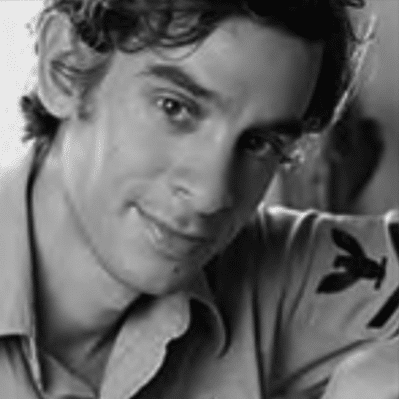 I often tend to be a multihyphenate on shows that I work on. I think it has its advantages and disadvantages. Making a musical is such a holistic experience because you are telling a story through music, dance, spoken word, movement, and design. One of the advantages of being one of the composers as well as one of the book writers is that it allows me to be right at the heart of both the writing and creative processes. This mitigates some of the challenges that often come with writing musicals, like having to marry song with spoken word, working out transitions, or figuring out what should and shouldn’t be underscored. A challenge that I often face is the fact that it’s very difficult to look at something through just one of those lenses. Even if I am having a conversation about, say, the book, I am also looking at it as a composer, orchestrator, or, in some cases, music supervisor. But what I will say is that I love collaboration, and I rely on this team of people who are truly the best at what they do. I feel like having five jobs on a show is only possible by having a lot of collaboration in that process.
My formal education is in theater, not music. I grew up in a very musical family. I was playing music from the time I was three years old, but I didn’t study music. As a result, I’m not a very good sight reader; most of my music and playing is by ear. My training was quite holistic within theater — I was a performer, I was a writer, and I had learned about design, dramaturgy, and directing. When people knew that I had a musical background and inclination, they would at times ask me to compose music for plays or write a song. Sometimes, if they were looking for an actor or musician, they would hire me. In fact, the theater that The Outsiders is playing in now is where I made my Broadway debut in a show called Bloody, Bloody Andrew Jackson. I was in the cast of that show and also the music director; that was the first show on which I had an orchestration credit.
Someone once said to me that music is a metaphor in a musical. What I took that to mean is that there are certainly well-worn paths for how music functions inside of a musical, but those are just some of the many paths through which music can tell the story. Often, you hear people say that within musicals, a song comes when someone’s emotions are so great that they can’t say it anymore; so they sing it; that’s one way that music can function. But also, a lot of times in a musical, the music takes us inward. We can go deeper; we can get more intricate. It can move the plot forward. Or it can just be moving to a different state of mind or a different emotional place. I am often most drawn to projects where it’s not always obvious how the story will be musicalized. So, in fact, the thing we see as an obstacle is the very thing that draws me in.
I think the music adds to the story in several ways. My collaborator, Adam Rapp, once described some of these characters as “beautifully inarticulate,” in the sense that they are not used to expressing themselves verbally. Often, they lead with either aggression or emotionality. As for many of us, it’s not easy for these characters to put into words how they’re feeling or what they’re thinking, so music is a great way to do that. It also gives voice to characters that may not otherwise have that voice. If, for example, you have a character that is perhaps a bit more introverted, we still get to know what’s in their heart through music. There’s an electricity to the world that we’re building, and the ability to convey that through music is exciting. This is a show where I feel like music and sound design work beautifully together because there are a lot of sonic landscapes that interact with music and sound to create textures for this world.
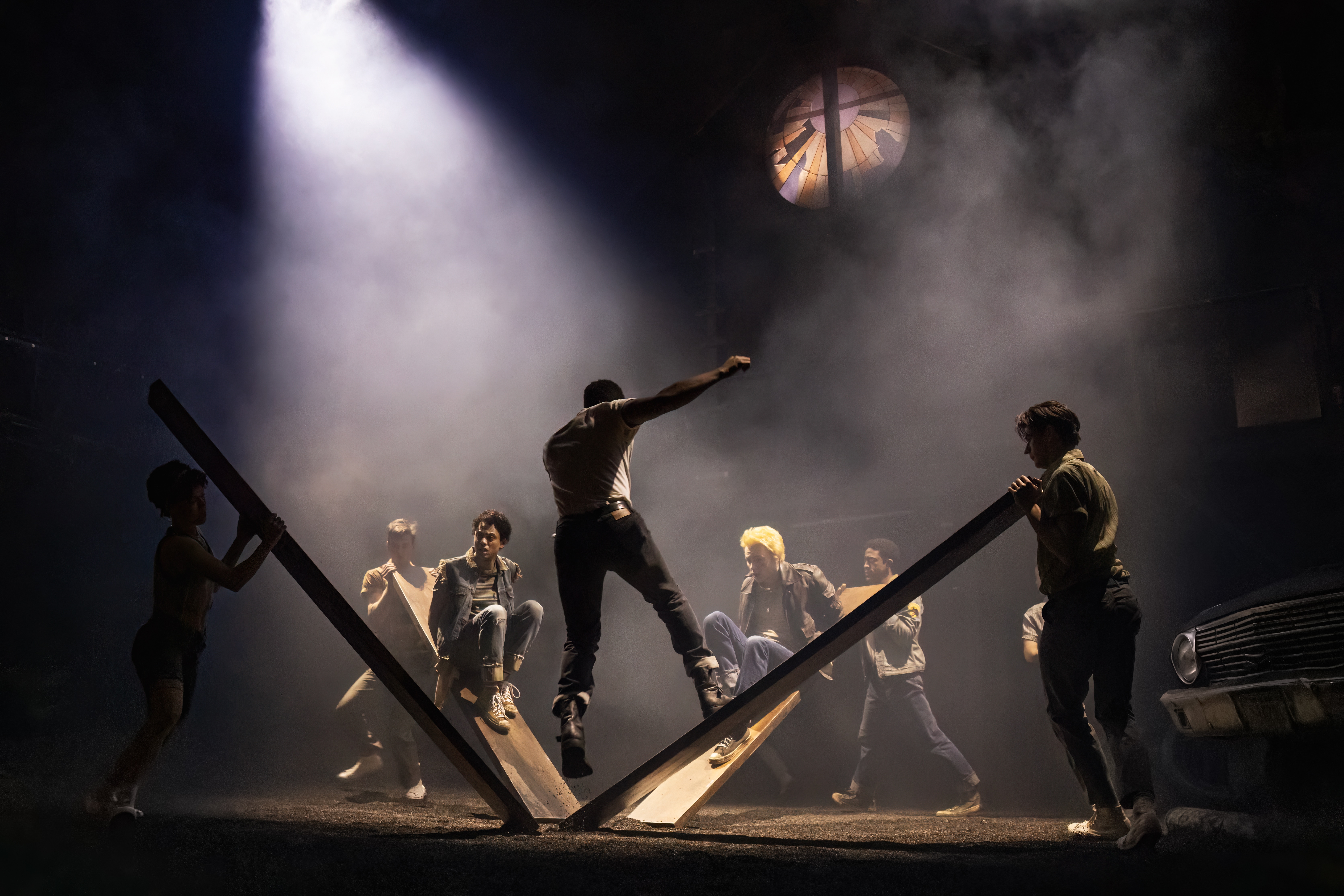
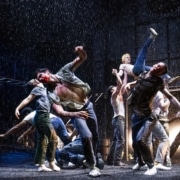
The Cast of The Outsiders. Photo: © 2024, Matthew Murphy
My best elevator pitch for the sound of this show has to be Americana, with a capital “A” in the sense that Tulsa, like America, is a melting pot and cultural crossroad for music. It is an amalgamation of various styles. You have soul, rock ‘n’ roll, country, blues, gospel, bluegrass, and so many other influences. So, The Outsiders is not really a genre-based musical, and the same is true of the work of my musical collaborators, Jamestown Revival, as a band. When you listen to a Jamestown record, you hear tunes that sound like they are from Appalachia, Louisiana, and the Southwest. We are pulling from all those different American traditions and influences.
This article originally appeared in The Outsiders study guide.
READ MORE
The Denver Center for the Performing Arts (DCPA) NewsCenter is the organization’s editorial platform for stories, announcements, interviews, and coverage of theatre and cultural programming in Colorado. We are committed to producing accurate, trustworthy, clearly sourced journalism that reflects our mission and serves our community.